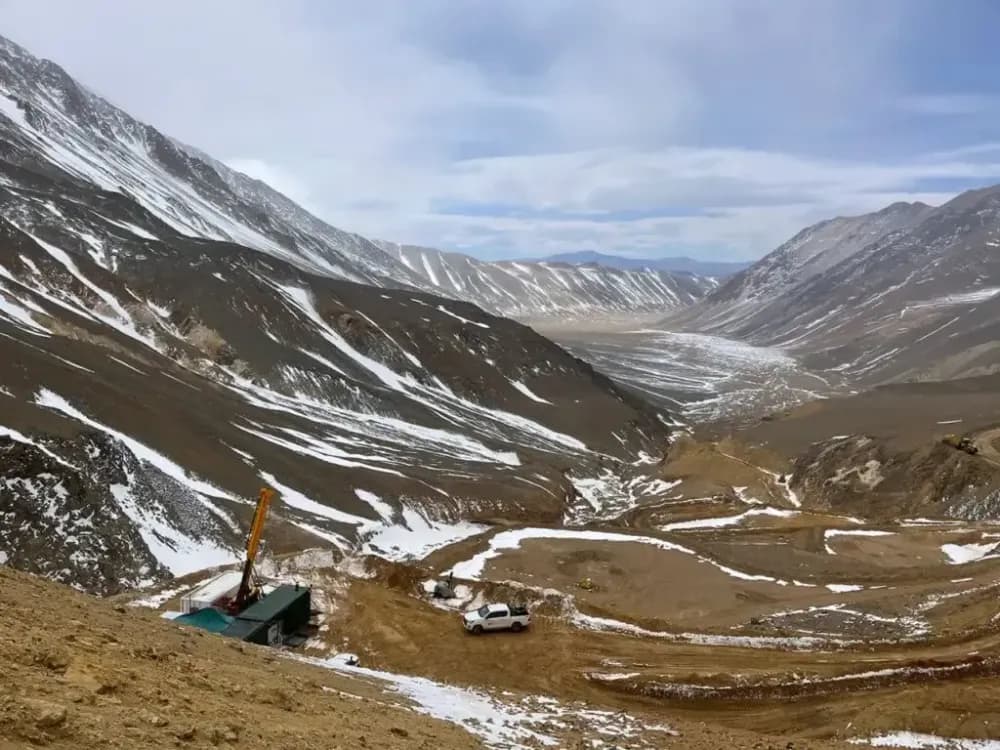
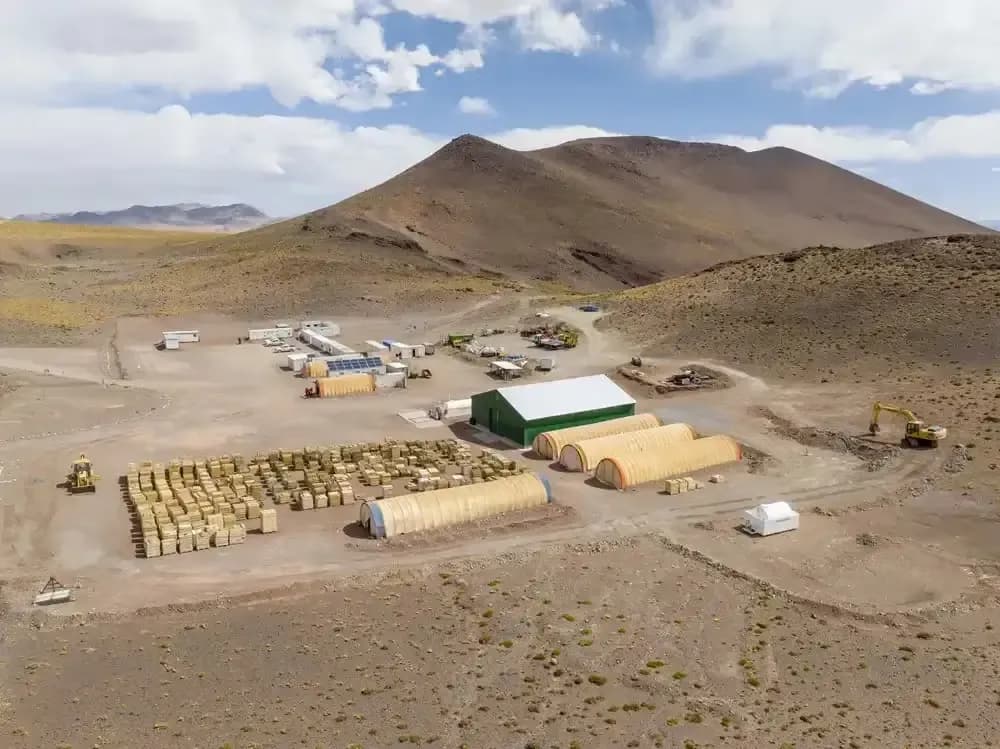
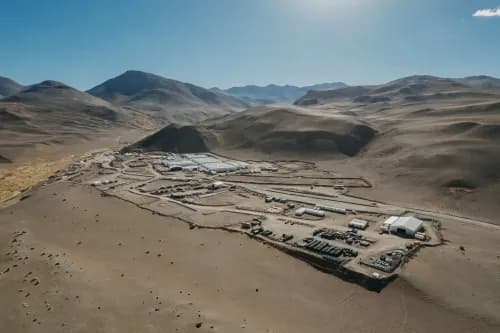
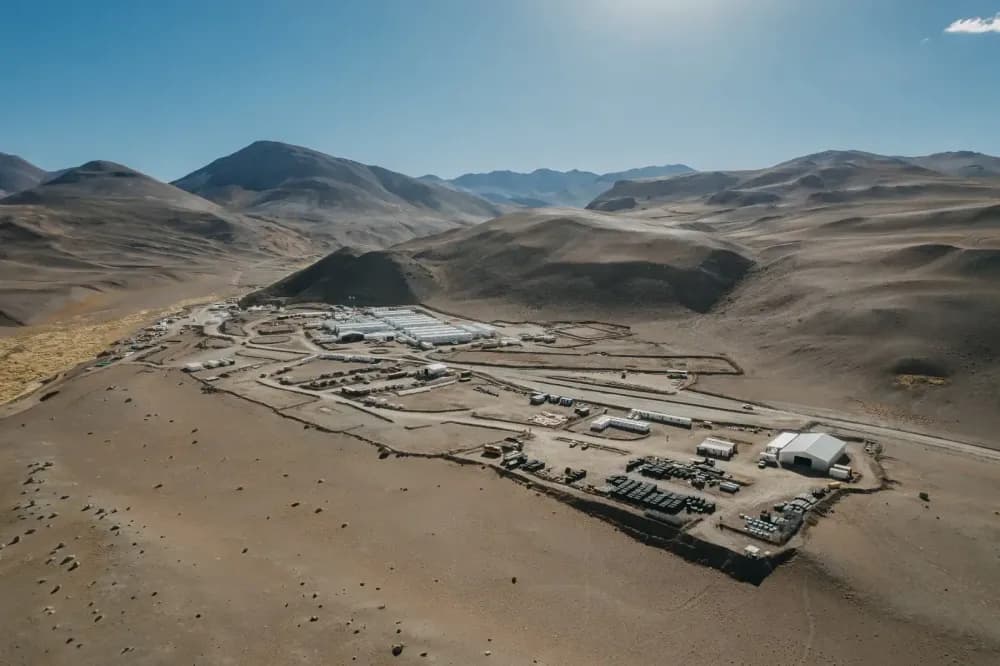
Don Sixto: The Mendoza Gold Project Trapped by Law 7,722
The project had a single window of opportunity in 2019 and remains technically viable today, but is normatively blocked by Law 7,722.

From ArCham, its President Darío Bongiovanni highlights the bilateral growth in education and points to Western Australia as a mining model. Connectivity remains a pending challenge.

The early commissioning of the San Rafael Solar Park, progress on the El Quemado project, and the start of electrical studies for PSJ marks a turning point in energy infrastructure.

The new extractive cycle exposes historical gaps in connectivity, energy, and logistics, in a context where Chile already functions as the natural outlet for Argentine minerals.
Join our mining community!
Subscribe to our newsletter for exclusive news, insights, and updates on the mining industry and Panorama Minero's latest initiatives.

The application of the water-use fee to exploration projects opens a key discussion on predictability, competitiveness, and clear rules in the return of provincial mining.

The governor stated that Mendoza province of has entered a process it had previously been unable to navigate, with environmental assessments, controls, and decision-making mechanisms now enabling progress.

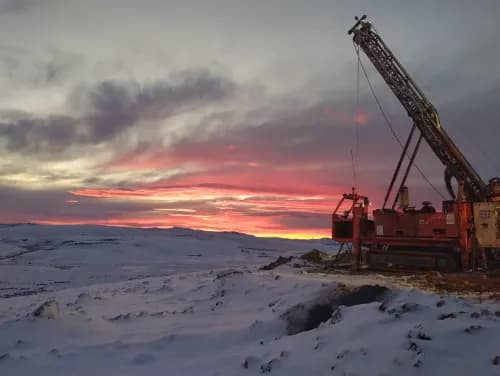
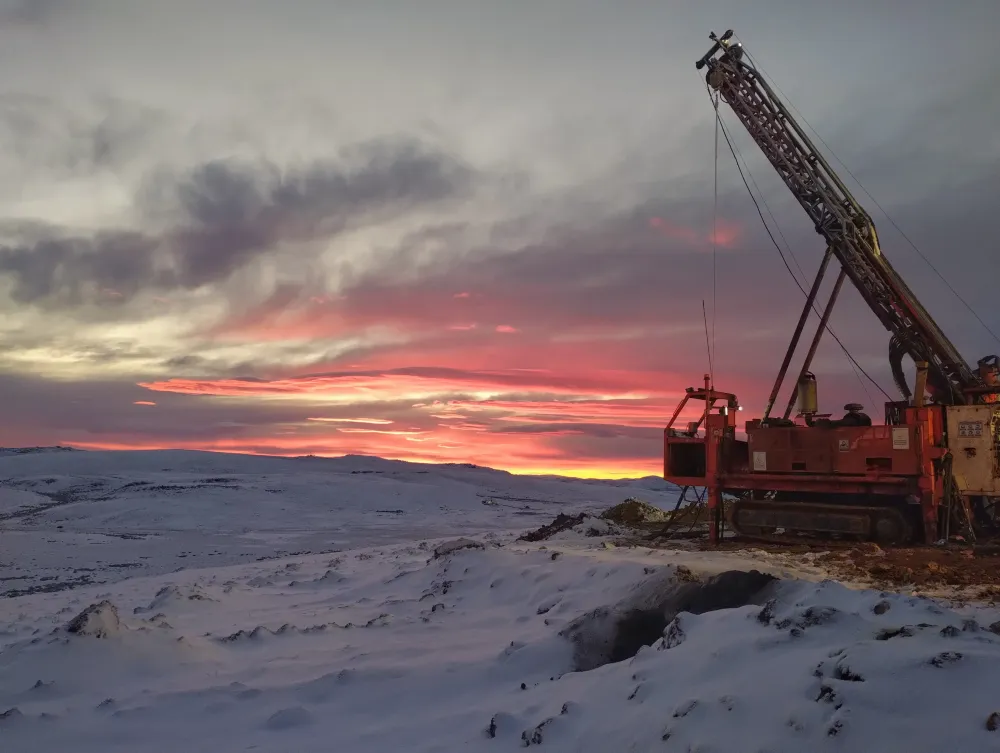
The multi-agency oversight body verified technical and environmental compliance at the most advanced project within MDMO I, during the critical phase prior to diamond drilling.

Potash and lithium projects follow a regulatory pathway distinct from that of metal mining, with administrative environmental assessment and public participation serving as the central approval mechanisms.

On December 22, Glencore Argentina CEO Martín Pérez de Solay, Country Manager Juan Donicelli, and Institutional Relations Manager Pablo Lilljedahl met with Catamarca Governor Raúl Jalil following the announcement of the reactivation of Bajo de la Alumbrera, scheduled for the second half of 2026.

Michael Meding, General Manager of Los Azules, shared the key takeaways from 2025 and outlined the plans for 2026 for the copper project located in the Calingasta Department, San Juan Province.

With the return of metal mining projects, the province once again faces a key technical challenge: managing mining activities from design through closure, under international standards and with long-term continuity.

The contracts will provide support for open-pit mining operations at the Casposo mine, located in the Calingasta department, San Juan Province.

The President of the San Juan Mining Chamber (CMSJ), Iván Grgic, highlighted the close of an unprecedented 2025 in its history, with a succession of milestones achieved as decisive steps for the near future.

Minas Argentinas projects 30 years of development and employment for the mine located in the Jáchal department, in the north of San Juan province.

Juan Pablo Perea, San Juan’s Minister of Mining, presented the 2025 management report, highlighting advances in transparency, investment, environmental control, territorial development, and education, with record figures for the province’s mining sector.

The National Executive Branch included the amendment of the Glaciers Law in the extraordinary sessions, where environmental, mining, and federalism-related issues will be debated.

Glencore Pachón has launched activities for the 2025–26 summer season, during which more than 25,000 meters of drilling are expected to be completed in the Pachón and Carnicería valleys.

The initiative, located in the south of the province, proposes to produce copper oxide for agricultural fungicides, using controlled processes, with low environmental impact and an operational scheme typical of small-scale mining.

Cancambria is a project located in southern Malargüe that is beginning its prospecting phase through desk-based studies, with potential drilling exploration subject to results. The public hearing is scheduled for December 20.

With the activation of the UGA for PSJ Cobre Mendocino, the province adds its second environmental management unit—and the first for an exploitation project—in a key step toward unlocking mining activity after two decades of stagnation.
This initiative is moving forward in coordination with the National University of Catamarca (UNCA), within the framework of the transfer process and the new restructuring of Yacimientos Mineros de Agua de Dionisio (YMAD), a step that will grant the province majority control over the management of the state-owned mining company, together with the National University of Tucumán (UNT).