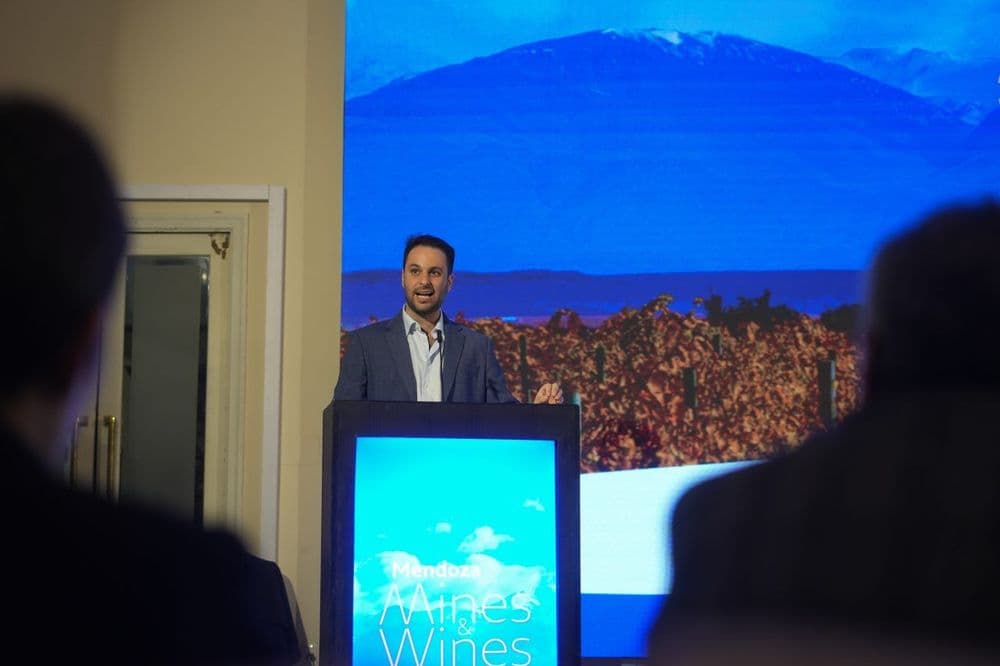
Mining exploration: the logistical bottleneck Mendoza must resolve
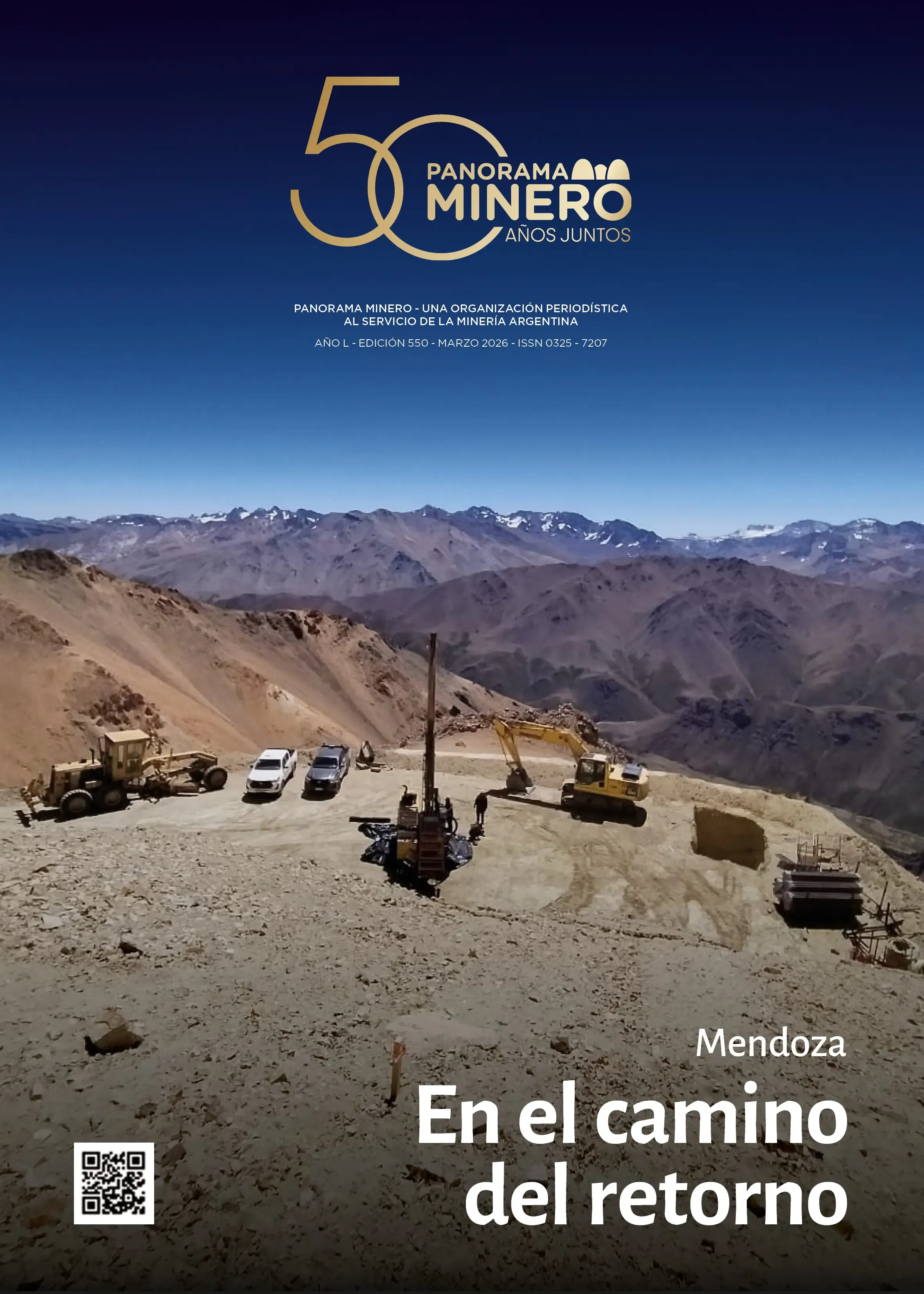
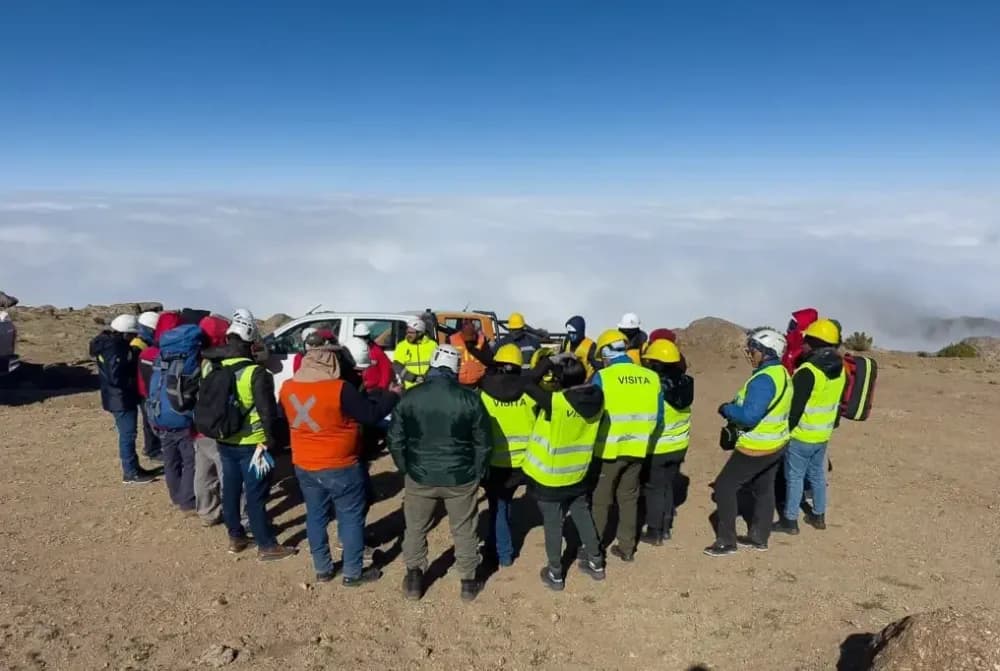
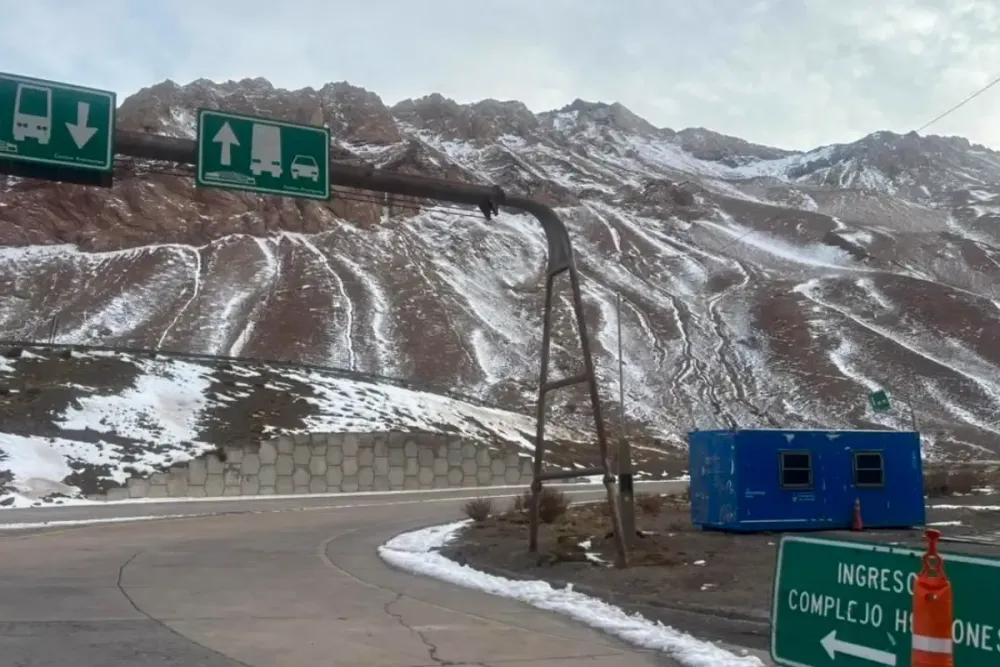
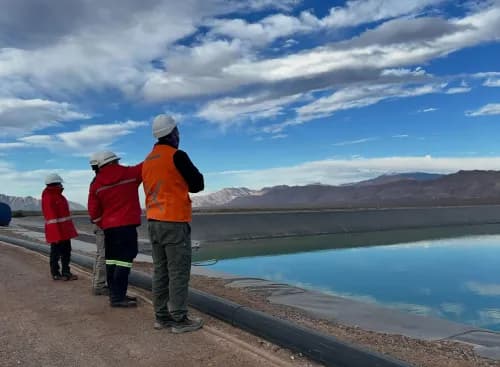
With projects beginning to move forward, the sector’s main constraint is no longer regulatory or geological, but rather the logistical capacity needed to sustain exploration.

While other jurisdictions negotiate with the federal government, Mendoza supports the bill that strengthens the provincial role in identifying protected areas and seeks to provide predictability for mining investment.

It signed an agreement with Distrocuyo to begin studies that will allow the construction of a new 220 kV transmission line and a transformer station in the high mountains of Mendoza. In this way, they aim to organize the project’s engineering and reduce uncertainty in an operation with high energy demand.

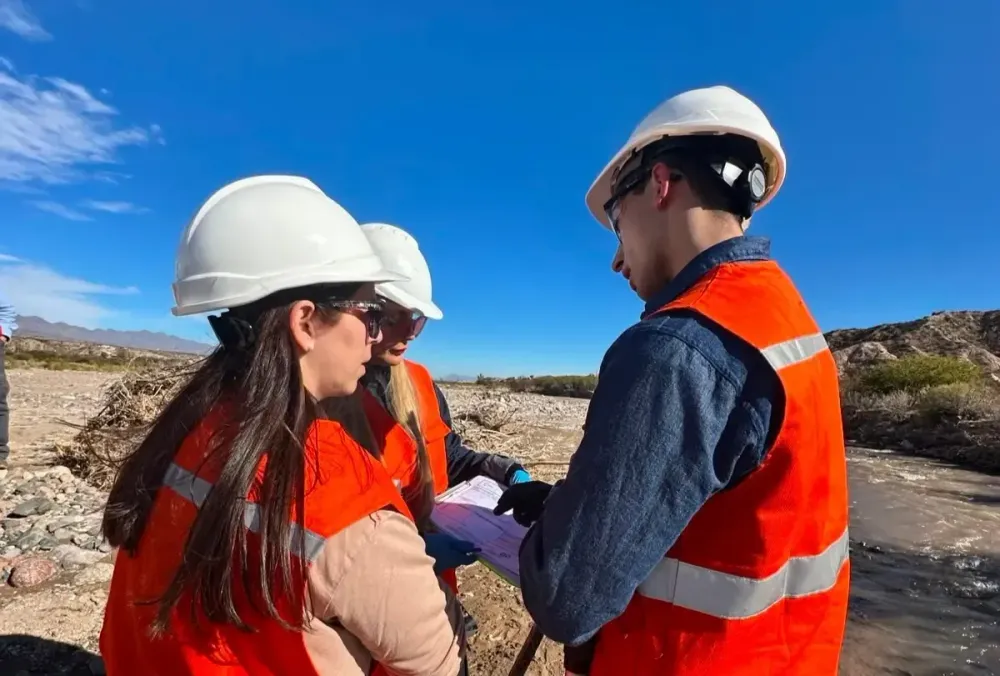
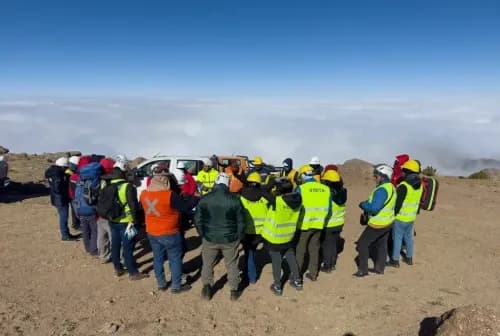
The start of drilling will be postponed a few weeks due to logistical reasons, in parallel with the activation of El Destino, Sofi, and Cuprum following environmental and legislative approvals.
Join our mining community!
Subscribe to our newsletter for exclusive news, insights, and updates on the mining industry and Panorama Minero's latest initiatives.

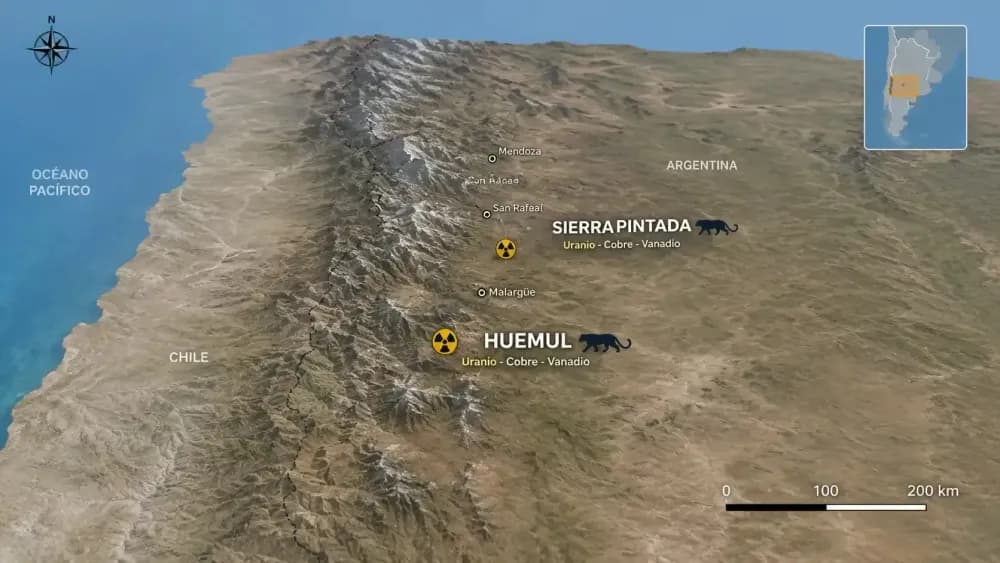
With independent environmental permits and low-impact prospecting work, both projects mark a new front of mining activity outside the Malargüe Western Mining District (MDMO).

The Government of the Province of Catamarca and the National University of Tucumán (UNT) have finalized the signing of strategic agreements that complete the transfer process of Yacimientos Mineros de Agua de Dionisio (YMAD).

At a high-level meeting recently held in Catamarca, Rio Tinto reaffirmed its strategic commitment to the province and to the development of Argentina’s lithium sector, during talks with Governor Raúl Jalil and his counterparts from Salta, Gustavo Sáenz, and Jujuy, Carlos Sadir—members of the Regional Lithium Board.

Uranium 2024: Resources, Production and Demand, publication issued in 2025, presents the most recent review of world uranium market fundamentals and provides a comprehensive statistical profile of the uranium industry. This analysis is led by Luis López (1).

The National Executive Branch included the amendment of the Glaciers Law in the extraordinary sessions, where environmental, mining, and federalism-related issues will be debated.

In modern mining, competitive advantage is no longer won solely at the deposit or in the process plant. It is increasingly defined in the supply chain: the system that ensures operational continuity, enables innovation, and sustains the social license to operate.

How artificial intelligence moves beyond promise and delivers tangible value across the mining supply chain through real, scalable applications.

The company activates the country’s first copper PEELP, a long-term strategic investment scheme under the RIGI framework, essential for financing the development of the Josemaría and Filo del Sol deposits.

The company is focusing the start of feasibility on achieving engineering accuracy for investment adjustments and the final CAPEX calculation.

The approval of the Environmental Impact Statement (EIS) for PSJ Cobre Mendocino not only unlocks investment in a province with a stagnant economic structure—it also underscores the resolve of Governor Alfredo Cornejo’s leadership.

With an investment of US$559 million, the project moves toward feasibility and aims to become both the first case of metalliferous mining development in Mendoza and the project that puts Argentina back on the world copper map.

Teresita Regalado, Catamarca’s Secretary of Mining Development, shares a technical analysis, production outlook, and the environmental challenges of a strategic activity for the province.

Mendoza authorizes its first metalliferous mining project in 18 years: PSJ Cobre Mendocino obtains legislative approval, moves into feasibility, and confirms an investment of US$559 million.

In a market dominated by China, Argentina faces the challenge of turning early geological indications into concrete projects and positioning itself within the global Rare Earths value chain.

The historic Mining Investment Law is moving toward a comprehensive modernization aimed at streamlining procedures, reducing discretion, and strategically coexisting with the RIGI. Authorities and experts outlined the key pillars of the reform and its impact on current and future projects.

Driven by clean technologies and the rise of electric vehicles, copper is becoming a critical metal for the decades ahead. Experts analyze the opportunities and challenges facing the region.

Driven by clean technologies and the rise of electric vehicles, copper is solidifying its role as a critical metal for the coming decades. Experts examine the opportunities and challenges facing the region.